

Check Engine Light Diagnostics
Check Engine Light Diagnostic in Tucson, AZ
What Your Vehicle Is Trying to Tell You


Why You Shouldn’t Ignore an Illuminated Check Engine Light
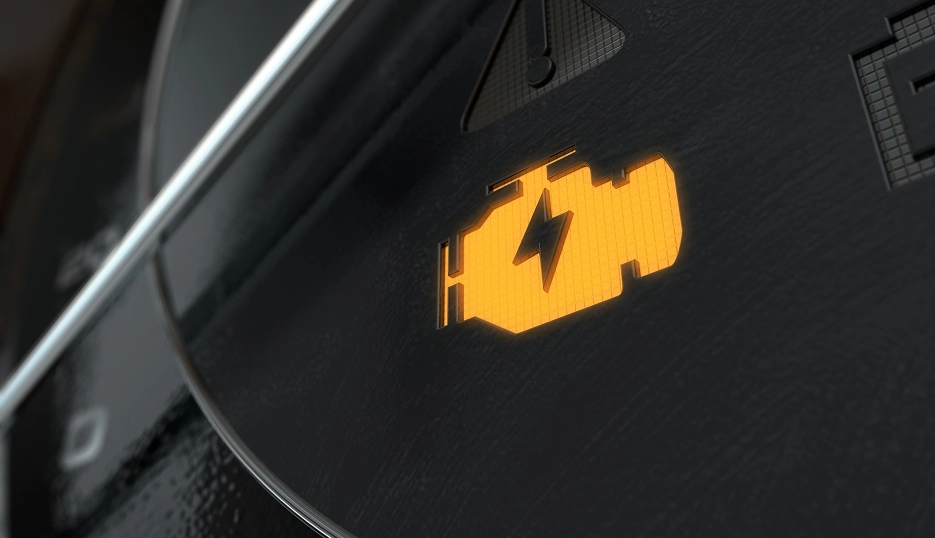
When that small amber light appears on your dashboard, it’s easy to hope it will go away on its own. At Garrigan’s – Golf Links Rd, we understand how unsettling an illuminated check engine light can be, especially when your car seems to be running fine. The truth is that the malfunction indicator lamp is your vehicle’s way of flagging a concern before it becomes a serious and costly problem. Modern vehicles rely on a sophisticated network of engine sensors and an engine control module (ECM) that continuously monitors your car’s performance. When any reading falls outside acceptable parameters, the ECM triggers the check engine light to alert you. A check engine light diagnostic is the only reliable way to determine exactly what’s happening inside your vehicle’s systems. Ignoring it, even briefly, can allow a minor issue to escalate into significant engine damage or a failed emissions test.
How a Professional Check Engine Light Scan Works
When you bring your vehicle to our shop, our ASE-certified technicians connect a professional-grade OBD-II scanner to your vehicle’s onboard diagnostic port, typically located beneath the dashboard. This tool reads the diagnostic trouble codes (DTCs) stored by the ECM, which point our team toward the affected system or component. It’s important to understand that a DTC is a starting point, not a final diagnosis. A code indicating an issue with the oxygen sensor, for example, could stem from a faulty sensor itself, a problem with the catalytic converter, or even a fuel system component affecting the air-to-fuel ratio. Our technicians go beyond simple code reading by performing engine performance testing and a thorough inspection to confirm the root cause before recommending any repairs.
Warning Signs It’s Time for CEL Troubleshooting
While any illuminated check engine light warrants attention, certain symptoms make scheduling a CEL code reading more urgent. A flashing check engine light, rather than a steady one, typically indicates an active misfire that can cause rapid damage to the catalytic converter and should be addressed as soon as possible. Other warning signs include poor engine performance, a noticeable drop in fuel economy, an engine running rough at idle or under acceleration, and a failed emissions test. These symptoms often point to components like the mass airflow sensor, oxygen sensors, or fuel system components that directly affect how efficiently your engine burns fuel. Our emissions system diagnosis and fuel system service address these concerns directly, restoring your vehicle’s performance and helping it meet Arizona’s emissions standards. Garrigan’s serves drivers throughout Tucson with honest, transparent diagnostics, and our team is happy to walk you through every finding, so you feel confident in the recommended next steps.
questions?
We Have Answers
In most cases, the initial OBD-II scan and code reading takes 30 to 60 minutes. If the diagnostic trouble codes point to a more complex issue requiring further engine performance testing or component inspection, the full diagnosis may take longer. We’ll always give you a clear time estimate before we begin.
If the check engine light is steady and your vehicle seems to be running normally, driving a short distance to the shop is generally acceptable. However, if the light is flashing, you notice poor engine performance, or the car is running rough, it’s best to avoid driving and arrange for the vehicle to be inspected right away to prevent further damage.
Code clearing removes the stored diagnostic trouble codes and turns off the light temporarily, but it does not repair the underlying issue. Without addressing the root cause, the check engine light will return. A proper check engine light repair requires identifying and correcting the specific component or system that triggered the code in the first place.
Common causes include a loose or faulty gas cap, a failing oxygen sensor, catalytic converter issues, a worn mass airflow sensor, spark plug or ignition coil problems, and fuel system component failures. Because so many systems can trigger the malfunction indicator lamp, a professional diagnostic is the only accurate way to identify the true cause.
Diagnostic costs vary based on your vehicle’s make and model and the complexity of the issue. Some concerns are straightforward to identify, while others require more in-depth engine performance testing. Contact our team at Garrigan’s for specific pricing information tailored to your vehicle.