

Cooling System Repair
Cooling System Repair in Tucson, AZ
Keeping Your Engine Running Cool in the Sonoran Desert Heat


Why Cooling System Repair Matters
If you live in Tucson, you already know that summer temperatures regularly climb past 100 degrees. That kind of heat puts your vehicle’s cooling system under serious stress every single day. At Garrigan’s – Golf Links Rd, our ASE-certified technicians understand that engine cooling system service is not just routine maintenance here; it’s a critical part of keeping your vehicle safe and reliable on the road. Your cooling system is responsible for regulating engine temperature by circulating coolant (antifreeze) through key components, including the radiator, water pump, thermostat, coolant hoses, heater core, cooling fans, and expansion tank. When any one of these parts begins to fail, the entire system can be compromised, putting your engine at risk of serious and costly damage. Whether you’re commuting along Golf Links Road or heading out on a longer drive through the desert, a properly functioning cooling system is what stands between your engine and a breakdown on the side of the road. Bringing your vehicle in for a cooling system inspection before problems escalate is always the smarter and more affordable choice.
What Are the Signs of a Failing Cooling System?
Recognizing the early warning signs of a cooling system problem can save you from a much more serious and expensive repair down the road. One of the most obvious indicators is your temperature gauge reading high or climbing into the red zone, which signals that your engine is not being cooled effectively. You might also notice coolant leaks beneath your vehicle, often appearing as a bright green, orange, or pink puddle, or detect a sweet, syrupy smell coming from the engine area, which is a telltale sign of leaking antifreeze. White steam rising from under the hood is a more urgent warning that your engine is already overheating and needs immediate attention. A heater that stops working properly during cooler Tucson mornings can also point to a failing heater core or low coolant levels in the system. Visible corrosion around hose connections, a soft or swollen radiator hose, or an expansion tank that’s consistently low on fluid are additional signs worth taking seriously. If you notice any of these symptoms, call Garrigan’s at (520) 572-7505 and schedule an inspection promptly to prevent a minor issue from turning into a major engine repair.
Our Comprehensive Cooling System Services Offered
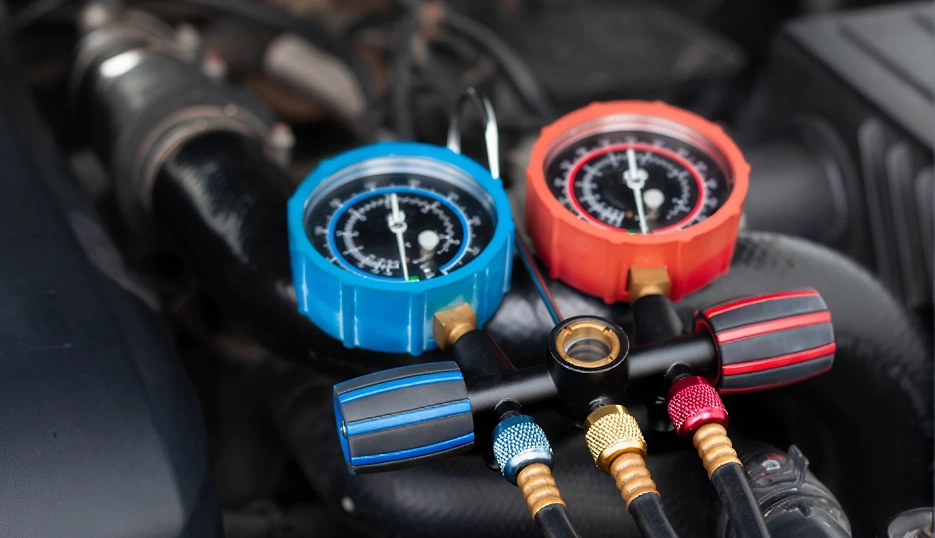
Our team at Garrigan’s – Golf Links Rd provides a full range of cooling system repair and maintenance services using quality OEM or equivalent parts and state-of-the-art diagnostic equipment. We perform coolant flushes to remove degraded fluid and buildup that reduce system efficiency, and pressure testing to identify even the smallest leaks before they cause larger problems. Our technicians are experienced in radiator replacement, water pump service, and thermostat replacement, and they take the time to inspect all connected components including hoses, clamps, and the expansion tank during every cooling system visit. A failing water pump, for example, can prevent coolant from circulating properly. A stuck thermostat can cause your engine to overheat even when coolant levels appear normal. We also diagnose and repair cooling fan issues, since electric cooling fans play a vital role in maintaining safe operating temperatures, especially when your vehicle is idling or moving slowly through traffic. Every repair is backed by our commitment to transparency, which means you’ll receive a clear explanation of what we found, what we recommend, and why, before any work begins. We’re open Tue – Sat:, 7:30 AM–5 PM, and our team is ready to help you keep your vehicle running safely through every season Tucson has to offer.
questions?
We Have Answers
Most manufacturers recommend a coolant flush every 30,000 to 50,000 miles. However, this can vary based on your vehicle’s make, model, and the type of coolant used. In a hot climate like Tucson, staying on top of this interval is especially important because heat accelerates fluid breakdown. Your technician can check the condition of your coolant during any routine service visit.
Continuing to drive an overheating engine can lead to severe damage, including a warped cylinder head, blown head gasket, or in extreme cases, complete engine failure. These repairs are significantly more expensive than addressing a cooling system issue early. If your temperature gauge reads high or you see steam from under the hood, pull over safely and contact a repair shop right away.
Yes, a thermostat that is stuck in the closed position will prevent coolant from flowing through the radiator, causing engine temperatures to rise quickly. Thermostat replacement is one of the more straightforward cooling system repairs, and addressing it promptly can prevent further damage to other components. Costs vary depending on your vehicle’s make and model.
Common signs of a failing water pump include coolant leaks near the front of the engine, a whining or grinding noise from the pump area, and engine overheating. Because the water pump drives coolant circulation throughout the entire system, a failing pump can quickly affect multiple components. A pressure test and visual inspection by a qualified technician can confirm whether replacement is needed.
Not always. Some coolant leaks occur internally, such as a leaking heater core or a compromised head gasket, and may not leave a puddle on the ground. Internal leaks can cause a sweet smell inside the cabin, white exhaust smoke, or unexplained drops in coolant levels. A professional pressure test is the most reliable way to detect both external and internal cooling system leaks.