

Check Engine Light Diagnostics
Check Engine Light Diagnostic in Tucson, AZ
Solving Vehicle Problems with Accurate Diagnostics


Getting to the Source of Your Vehicle’s Problems
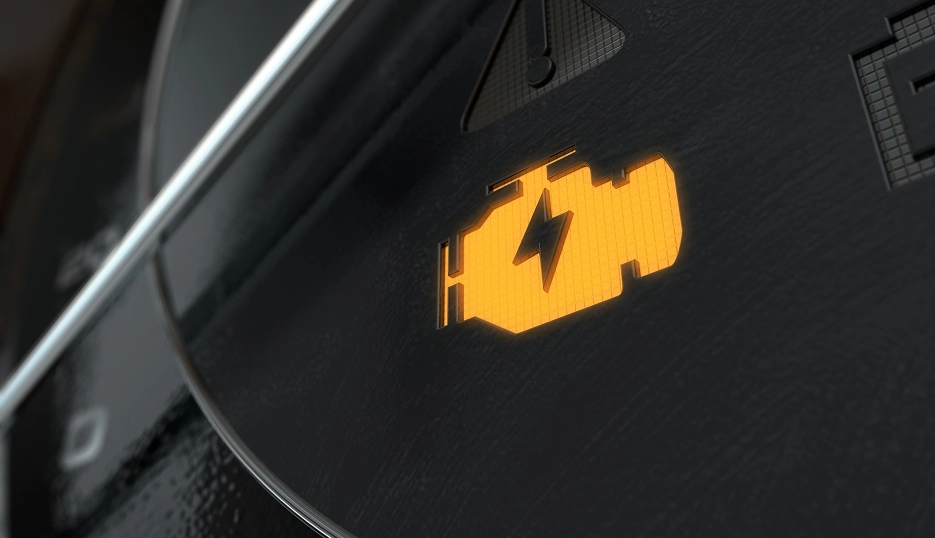
When that amber warning glow appears on your dashboard, it is easy to wonder whether it is something serious or just a minor sensor hiccup. At Garrigan’s – Speedway, our ASE-certified technicians understand how unsettling an illuminated check engine light can be, and we are here to give you clear, honest answers fast. The check engine light, also known as the malfunction indicator lamp, is your vehicle’s way of signaling that the engine control module (ECM) has detected a fault somewhere in the system. This could range from a loose gas cap to a failing catalytic converter or a misfiring cylinder, which is why a professional check engine light diagnostic is always the right first step. Ignoring the warning, especially a flashing check engine light, can allow a minor issue to escalate into a costly repair. A flashing light often indicates an active misfire that can damage your catalytic converter in a short time. If you also notice poor engine performance, reduced fuel economy, or your engine running rough, those are additional signs that something needs immediate attention. Bring your vehicle to our shop at 5302 E Speedway Blvd, Tucson, AZ 85712 or call us at (520) 572-7506 and let our team get to the bottom of it.
How Our OBD-II Diagnostic Process Works
Our technicians begin every check engine light service by connecting a professional-grade OBD-II scanner to your vehicle’s diagnostic port, which retrieves the stored diagnostic trouble codes (DTCs) logged by the ECM. These codes are not a direct repair order but rather a starting point that guides our certified technicians toward the affected system. From there, we perform a thorough engine performance test to evaluate real-time data from critical components like the mass airflow sensor, oxygen sensors, and fuel system components. This hands-on diagnostic approach allows us to determine whether the code points to the root cause or is simply a symptom of a deeper issue. For example, a DTC related to an oxygen sensor could indicate that the sensor itself is failing, or it could point to an exhaust leak or a problem in the fuel system. Our team cross-references live sensor data with manufacturer specifications to ensure an accurate diagnosis before any repair recommendation is made. You will receive a clear explanation of what was found and your options, with no pressure and no surprises. This level of transparency is what makes Garrigan’s – Speedway a trusted choice for engine light troubleshooting in Tucson, AZ.
Common Causes and Related Services We Provide
Dozens of different faults can trigger the check engine light. However, some of the most common culprits our technicians encounter includes faulty oxygen sensors, degraded mass airflow sensors, catalytic converter inefficiency, and fuel system issues such as a failing fuel injector or pressure regulator. Each of these components plays a direct role in how efficiently your engine burns fuel and manages emissions, which is why a failed emissions test is often tied back to an unresolved CEL code. Beyond reading and clearing codes, our team offers comprehensive emissions system diagnosis, sensor replacement, and fuel system service to address the underlying problem rather than just reset the light. We use quality OEM or equivalent parts to ensure the repair holds up over time, and a strong warranty backs all of our work for your peace of mind. If you have recently failed an emissions test or noticed your vehicle running less efficiently than usual, an OBD2 diagnostic for your check engine light is the most direct path to a solution. Our shop hours are Tues – Sat: 7:30 AM–5 PM, and we welcome you to schedule your appointment online or stop by our Speedway location for a same-day evaluation when availability allows.
questions?
We Have Answers
In most cases, the initial OBD-II scan and code retrieval takes 30 to 60 minutes. However, if the diagnostic trouble codes point to a complex system, such as the fuel system or emissions components, a more thorough evaluation may be needed. Our technicians will give you a time estimate before any work begins so you can plan accordingly.
A steady check engine light may allow for short-distance driving, but a flashing check engine light should be treated as an urgent warning. Continuing to drive with a flashing light can cause serious damage to the catalytic converter and other engine components. It is best to have the vehicle inspected as soon as possible to avoid turning a manageable repair into a major one.
Yes, a loose or damaged gas cap is one of the most common and straightforward causes of an illuminated check engine light. The cap seals the fuel system and maintains proper pressure. If it is not sealing correctly, the ECM will detect an evaporative emissions leak and trigger the warning light. Tightening or replacing the cap often resolves this specific issue.
Diagnostic costs vary based on the vehicle’s make and model and the complexity of the issue involved. Our team will provide a clear explanation of any associated fees before beginning work so there are no surprises. Contact us at (520) 572-7506 for more information about our current diagnostic service pricing.
In some cases, the light may reset automatically after the underlying issue is resolved, and the vehicle completes several drive cycles. However, professional code clearing using an OBD-II scanner is the most reliable method to confirm the repair was successful and that no additional fault codes remain stored in the engine control module.